Discover the leading causes of water damage in homes, such as plumbing issues, appliance malfunctions, and extreme weather events. This article is your roadmap for identifying risk factors and proactively preventing costly water-related damage.

Water damage often lurks in the shadows, quietly causing havoc in your home. One of its silent accomplices? Plumbing mishaps. These range from leaking pipes to burst pipes, and even broken water pipes. A small leak can lead to significant water damage over time. The specter of plumbing mishaps is not limited to the natural wear and tear of your home’s plumbing system. Extreme weather conditions, such as deep freezes, can cause pipes to burst, leading to serious damage.
But, what if you could stop these plumbing issues before they wreak havoc? Insulating exposed pipes and maintaining a minimum indoor temperature can prevent freezing pipes, and regular inspections can identify weak spots before they become major issues.
In the event of a plumbing crisis, knowledge of the location of your main water supply lines can be a lifesaver, allowing you to prevent further water damage until professional help arrives.
Household appliances, like washing machines and dishwashers, are a boon to our busy lives. Nevertheless, they can also be a source of water damage. An overflow in your washing machine due to hose leaks, seal failures, or blockages in the water inlet valve can result in a mini flood in your laundry room.
Similarly, a broken dishwasher hose can release large amounts of water onto your kitchen floor, causing significant water damage.
The solution to avoiding washing machine and dishwasher overflows lies in regular inspections and preventive maintenance. Here are some steps you can take:
By following these steps, you can help prevent water damage caused by washing machine and dishwasher overflows.
Just as your washing machine and dishwasher can cause water damage, your water heater isn’t immune either. Water heaters can cause water damage due to leaks, often resulting from age or poor maintenance. Even a small leak can lead to considerable damage over time.
So, what can you do to protect against water heater leaks? Here are some steps you can take:
Regular maintenance and vigilance are your best defenses against water heater leaks.
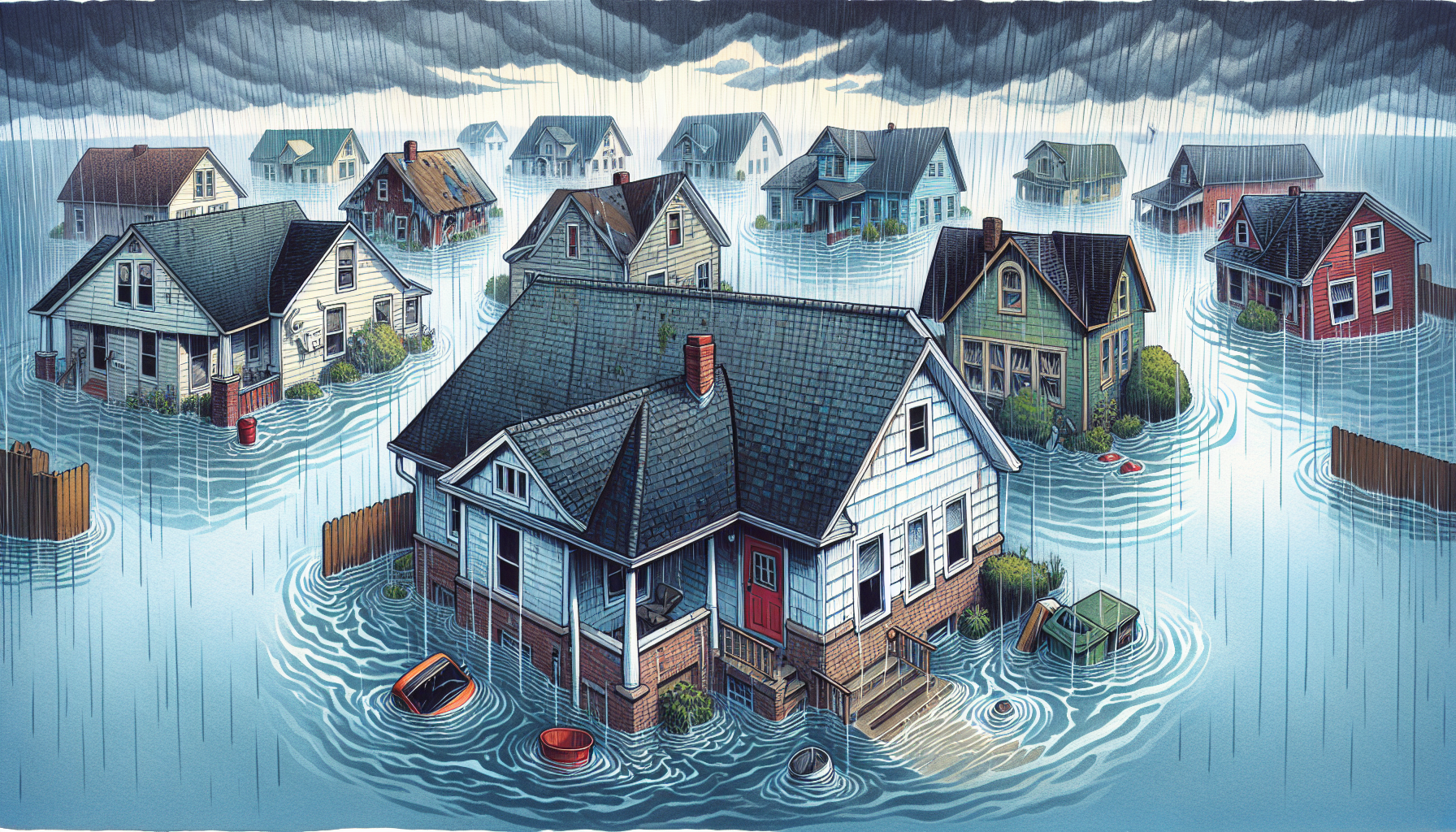
While we have control over the maintenance of our appliances and plumbing systems, we are at the mercy of natural disasters regarding water damage. Severe weather events are a key contributor to water damage in residential and commercial properties. Extreme weather conditions such as hurricanes and storms can lead to significant water damage through the combined effects of heavy rain, strong winds, and flying debris.
Beyond the extreme weather events, other external weather-related factors also pose a risk of water damage to properties:
Regular maintenance and inspections can help identify potential issues, such as roof leaks or gutter blockages, before they cause water damage.
Flash floods and heavy rains are swift and ruthless, leaving behind a trail of destruction. Flash floods can lead to significant structural damage by undermining foundations, eroding ground materials, and forcing water into buildings through any available openings. These floods can also carry large debris, which can cause significant structural damage to properties, including rendering homes uninhabitable and sweeping away vehicles.
The aftermath of flash floods is equally devastating, with properties encountering long-term damage such as persistent mold growth and damage to critical components in vehicles submerged by floodwaters. Being prepared and vigilant can help minimize the damage caused by flash floods and heavy rains.
The roof over your head and the gutters that line it are crucial in protecting your home from water damage. Clogged gutters can lead to water overflowing and seeping into the property through roof leaks, damaged siding, or a damaged foundation. Over time, this can cause potential damage and structural issues. It can also lead to potential decay of siding and damage to foundations as water collects next to them.
Preventing these issues is as straightforward as regular maintenance and inspections. Keeping gutters free from debris like leaves, moss, and weeds is necessary to prevent water from running down the side of the house and causing dampness. Regularly inspecting the roof's interior and exterior for signs of water intrusion or damage can help detect issues before they lead to water damage.

Our homes are filled with appliances and systems that, while designed to make our lives easier, can also contribute to water damage. Common culprits include:
For example, refrigerators may leak due to a clogged or frozen defrost drain, which requires thawing and flushing with hot water to fix.
Air conditioner leaks, particularly in the attic, can lead to extensive water damage to multiple home areas. Improper maintenance of air conditioners can result in significant damage through the accumulation of condensate, potentially causing leaks and subsequent water damage. Installing a water leak detection device can prevent water damage by automatically shutting off the water supply in case of a detected leak.
Air conditioning units are a common comfort in many homes, but they are not without issues. They are prone to water condensation issues that can lead to significant damage if not properly maintained. Damaged or rusted drain pans in older air conditioning systems may develop leaks, resulting in continual water damage to a home’s structure.
Clogged condensate drain lines prevent proper water flow and can cause backups and overflows, potentially leading to significant water damage to the property. To protect against water damage in the home, it is vital to regularly inspect AC units for potential condensation issues like damaged drain pans or clogged drain lines.
Sump pumps prevent basement flooding, especially in homes prone to groundwater seepage. However, sump pump failures can lead to extensive water damage, mold growth, and structural issues, particularly in basements.
The good news is that annual maintenance and servicing of sump pumps are essential in homes with basements to avoid flooding. Additionally, installing a backup sump pump can provide an additional layer of protection, especially during power outages or when the primary pump is overwhelmed.
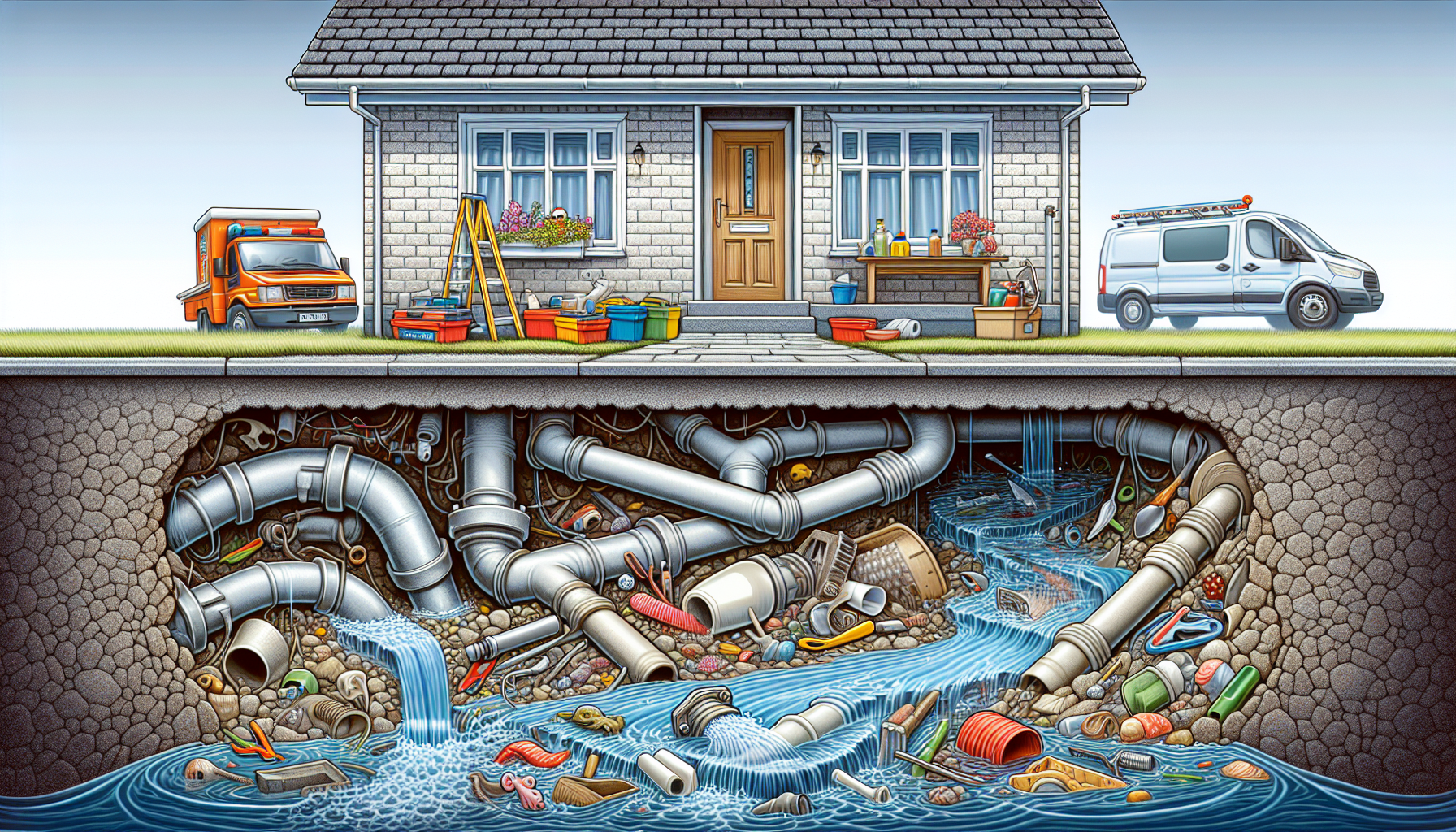
Drainage problems can sneak up on you, causing considerable water damage before you even realize there’s an issue. Inadequate drainage can cause water to collect in undesirable locations, leading to property damage and potential health risks. Some common drainage problems include:
It’s important to address these drainage issues immediately to prevent further damage.
Misalignments or leaks in the drainage system connected to a sump pump can contribute to its malfunction and subsequent water damage. Regular maintenance and inspections can help identify potential drainage issues and fix them before they lead to significant water damage.
Clogged drains and toilets can seem like minor inconveniences until they lead to significant water damage. Clogs in drains and toilets, caused by materials like soap scum, foreign objects, and food particles, can obstruct water flow and lead to property damage. In colder weather, the increased viscosity of fats, oils, and grease in the plumbing system contributes to blockages that can cause water damage.
Water overflow resulting from clogged sinks or toilets can cause:
Regular maintenance and care can help prevent standing water, blockages, and the subsequent water damage.
Sewer line and sewage backups can cause significant damage and health risks. Sewage backups can spread bacteria and diseases, posing significant health risks to residents and releasing hazardous gases such as hydrogen sulfide and carbon monoxide, which are severe health threats. Property damage from sewer line blockages often results from environmental factors such as severe storms and the intrusion of tree roots into the pipes.
Homeowners are advised to have a sewer expert clean out their sewer line biennially to prevent backups. They should contact their insurance agent to discuss policy protection in case of a sewer backup. Inadequate drainage can lead to sewage gas backing up into homes if traps are not functioning correctly, which are essential for forming a barrier against these gases.
Preventing and addressing water damage may seem daunting, but it doesn’t have to be. There are several proactive measures you can take to safeguard your home from potential water damage. For example, regularly servicing your AC units to address issues like dirty air filters and low refrigerant levels can prevent leaks. Regular routine maintenance and check-ups on sump pumps can also ensure that all components function correctly and prevent potential basement flooding.
It’s not just about preventing water damage but also about addressing it correctly when it happens. When an appliance leak is discovered, quick action is necessary. Here are some steps to take:
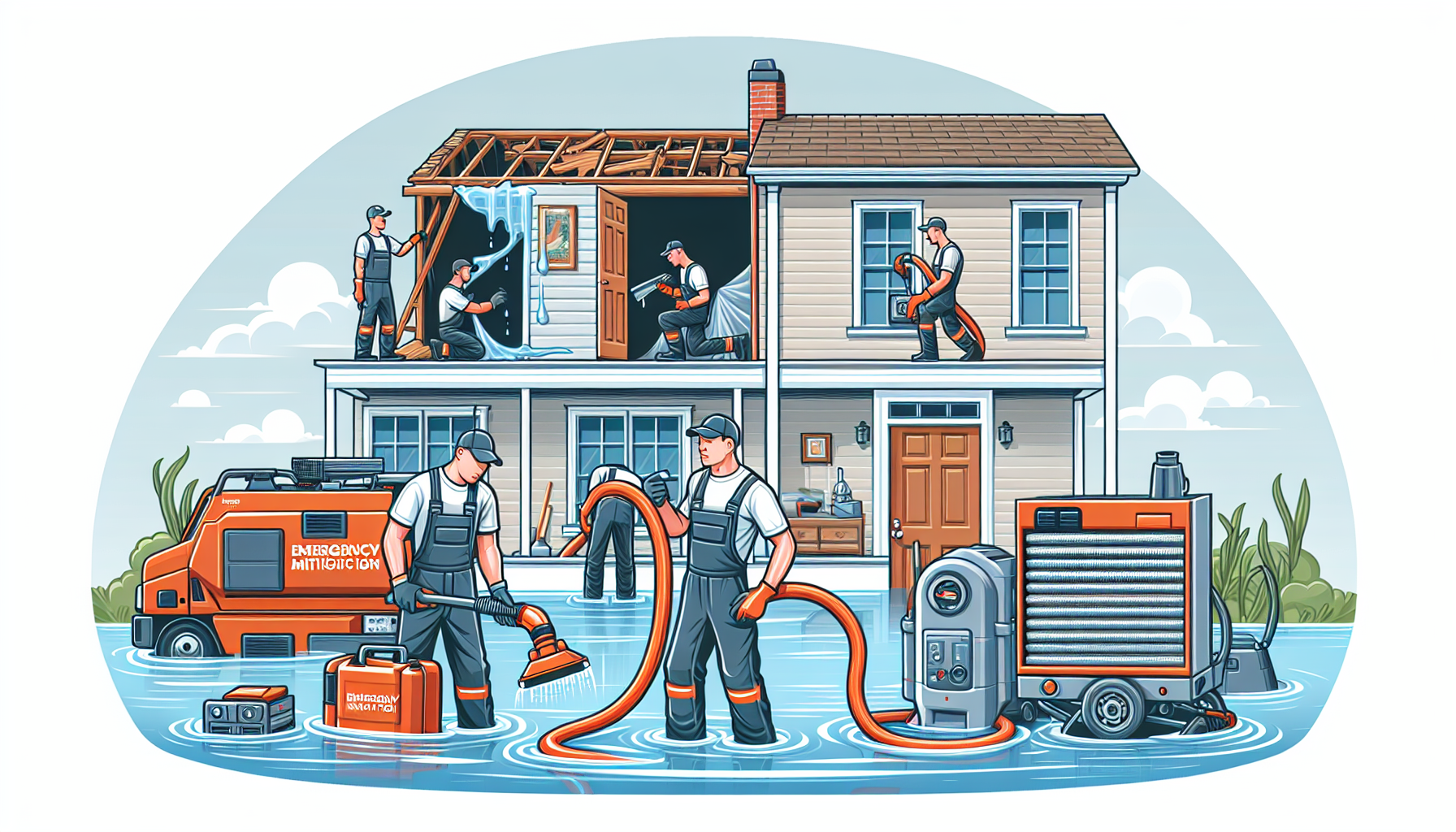
When water damage strikes, swift action is essential to minimize long-term damage. That’s where emergency mitigation services come in. These services aim to reduce long-term damage through immediate response, ideally within the first 48 hours after an incident.
The process of water mitigation includes the following steps:
These services are typically necessary after events such as plumbing failures, floods, or storms that result in water entering homes. The goal of water mitigation is to minimize property destruction, prevent mold growth, and restore the property to its original condition.
Understanding your insurance coverage and working with restoration services can make recovering from water damage less daunting. Homeowners’ insurance policies usually cover sudden and internal water damage, such as from plumbing failures or accidents. However, water damage caused by lack of maintenance or gradual deterioration is not typically covered by standard homeowners’ insurance.
When filing a claim, homeowners must provide thorough documentation of the damage and proof of loss to their insurance company. Knowing the specific terms and limits of your insurance coverage for water damage is important, as policies may have varying coverage caps and deductibles. Restoration services can assist homeowners in not just cleaning up and repairing after water damage but also in properly documenting the losses for insurance claims.
Professional restoration companies are familiar with what insurance policies typically cover and can help to ensure that homeowners receive a fair assessment and compensation for the damage.
In conclusion, understanding the key causes of water damage in your home is the first step to avoiding the costly and stressful aftermath of water-related incidents. By being proactive in maintaining your appliances and systems, conducting regular inspections, and knowing how to respond in case of an emergency, you can protect your home and your peace of mind.
Agricultural pollution, bacteria, viruses, parasites, fertilizers, pesticides, pharmaceutical products, nitrates, phosphates, plastics, fecal waste, and radioactive substances are some of the things that can damage water quality. These substances can enter the water from various sources, posing a threat to its safety and purity.
Water damage can lead to corrosion and rust in electronic devices, as water can cause a chemical reaction in the presence of metal and oxygen. This reaction can occur over an extended period, resulting in corrosion.
Water damage can start from natural disasters like floods, hurricanes, and tornadoes, or from issues within the home such as leaky plumbing or a damaged roof. It refers to physical damage caused by direct contact with water.
The most common cause of water damage is leaking or broken water pipes, which can lead to serious damage in a home. Freezing temperatures or changes in water pressure can easily cause pipes to burst.
Regular inspections and maintenance, including checking hoses and turning off the water supply when the machine is not in use, can help prevent water damage from washing machines and dishwashers. Be proactive to avoid potential issues with your appliances.
